

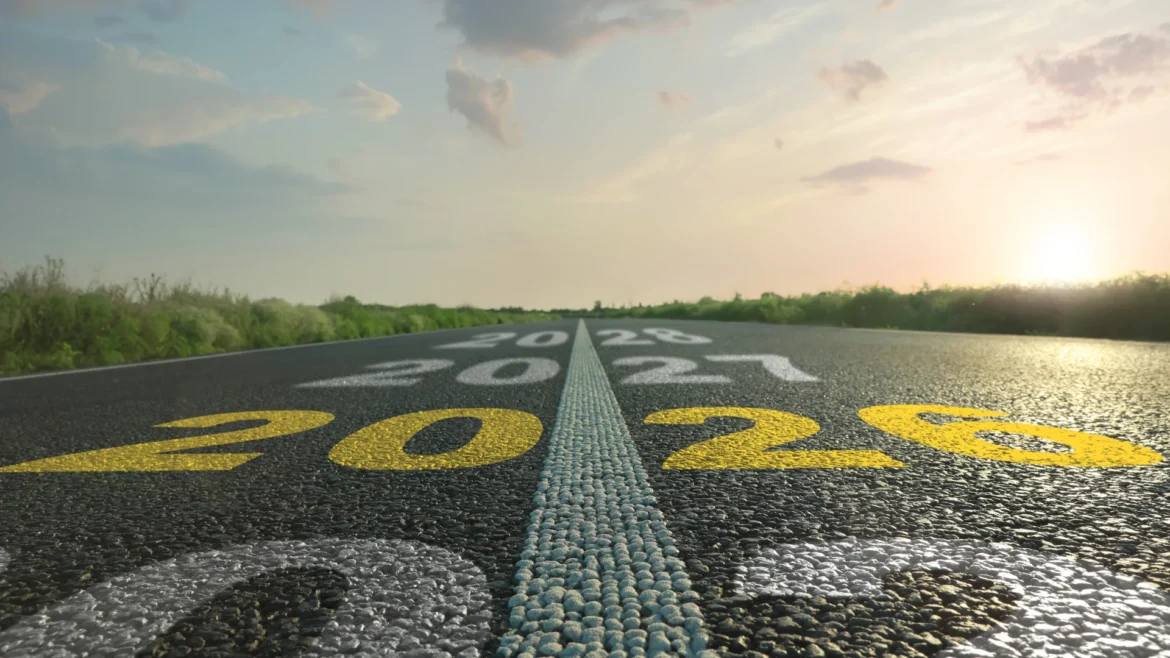
In 2026, more travellers are trading fast, stimulus‑heavy itineraries for longer, quieter stays that feel closer to temporary relocation than a classic holiday.
Industry reports link this to burnout, climate anxiety and a desire for trips that restore energy instead of draining it, alongside a steady rise in wellness‑focused and “slow” tourism.
“Several 2026 trend reports show a measurable shift toward longer, slower trips. One global consultancy notes that almost 60% of Gen Z and Millennial travellers took at least two holidays of five nights or more in 2025, and intend to increase travel budgets again for 2026, with a strong focus on wellness and meaningful experiences rather than rapid sightseeing.”.
During my recent travels, I noticed this shift myself. Instead of rushing through cities, I stayed longer, built routines, and explored slowly. The experience felt deeper and more sustainable.A slow‑travel–focused analysis summarises the pattern as “fewer cities, longer stays”, with travellers deliberately choosing one or two bases over multi‑stop blitz itineraries.
In Europe, tourism outlooks describe a rise in extended rural and small‑town stays as travellers look for calm environments and want to avoid overtouristed city centres.
Taken together, these signals show that slow escapes are not just an aesthetic trend; they are a measurable behavioural shift.
When planning longer stays, comparing direct routes and flexible travel dates on platforms like Skyscanner can help reduce unnecessary transfers and travel fatigue.
Concrete slow‑escape regions
Alentejo, Portugal – rural Europe at half speed
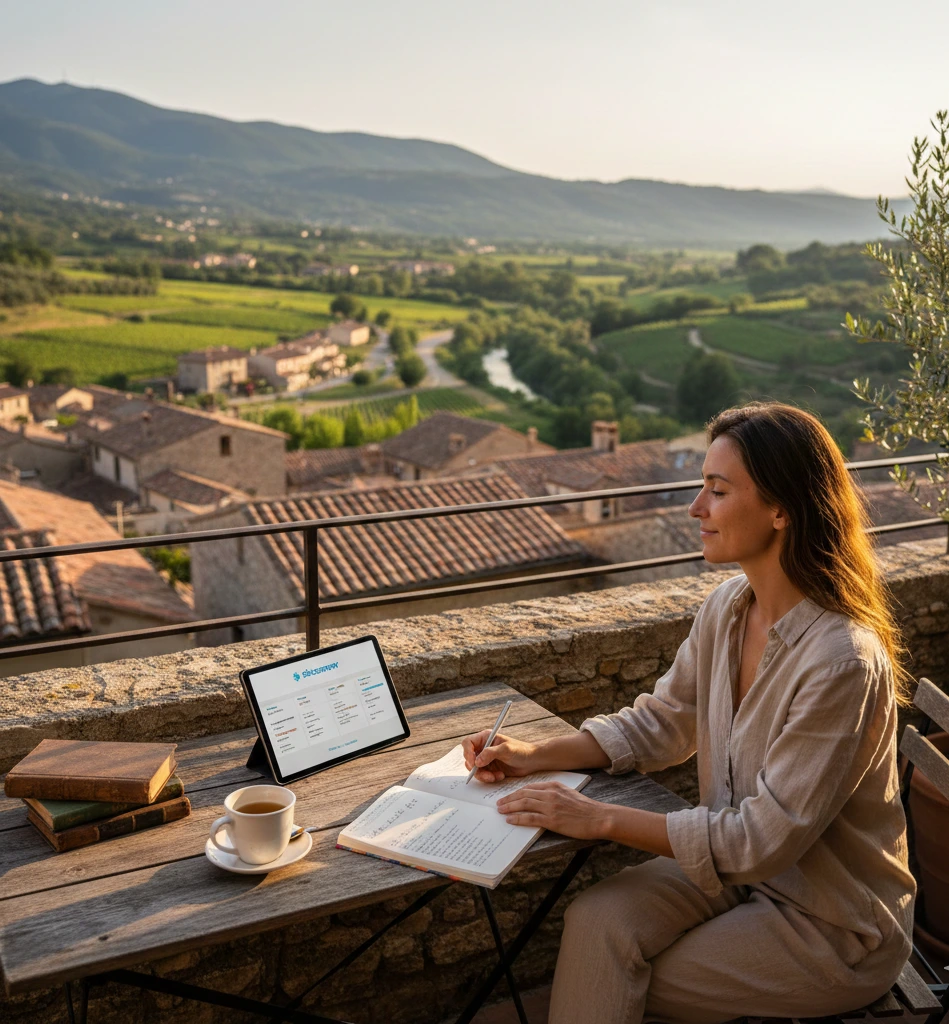
Recent research on slow tourism in rural territories singles out Portugal’s Alentejo as an ideal slow‑travel region, emphasising its unhurried pace, silence, low traffic and landscapes of cork forests, olive groves and vineyards.
Regional tourism materials and trend pieces describe it as a “territory of calm” where time is central to the experience, with inland towns, wildflower‑studded plains and quiet medieval strongholds connected by bike routes and scenic drives.
For a low‑stimulus escape, Alentejo offers exactly what trend reports say 2026 travellers want: walkable historic centres, local food and wine, dark skies, and enough infrastructure to stay several weeks without the pressures of a big city.
Instead of museum marathons, a typical day might involve a morning walk among vineyards, a long lunch in a village square and an evening under clear skies still rich in culture, but at a sustainable pace.
South Tyrol & Alpine corridors – cool‑climate slow stays
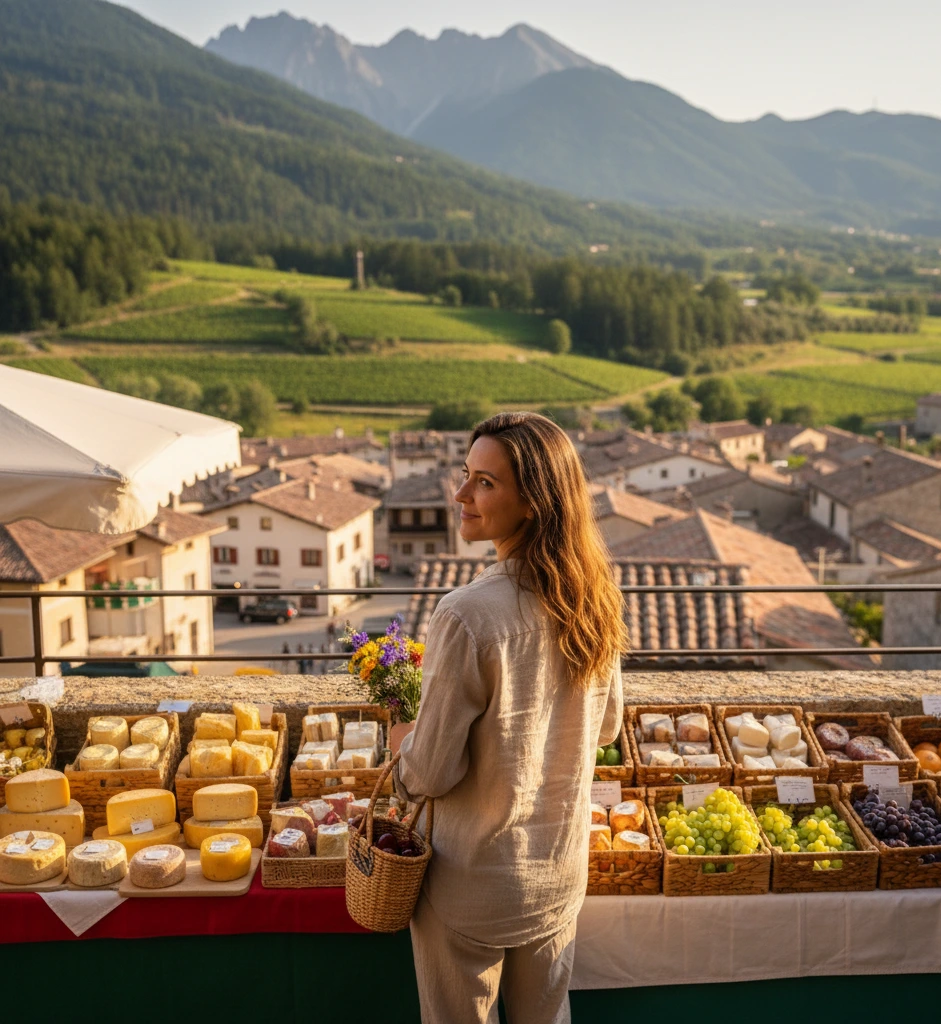
European hiking and nature‑travel blogs for 2026 highlight regions like South Tyrol and nearby Alpine corridors as prime candidates for slow, nature‑first trips.
These areas combine small towns, extensive trail networks and regionally focused food culture, making them well suited to multi‑week stays where hiking and local markets replace constant inter‑city travel.
For slow travellers, this means using a valley town as a base for weeks, rotating between easy day hikes, spa visits and quiet work days, rather than racing between capitals.
Medellín & Chiang Mai – urban slow‑stay hubs
On the urban side, long‑stay and digital‑nomad guides consistently highlight Medellín and Chiang Mai as examples of cities where travellers now stay for a month or more.
A nomad‑oriented analysis notes that Chiang Mai hosts thousands of remote workers, with monthly costs around 1,000 USD and widespread high‑speed internet, making it attractive for longer, routine‑based stays.
Similarly, Medellín’s “eternal spring” climate and improving infrastructure are frequently cited in 2026 hotspot lists for digital nomads seeking comfort and stability rather than constant movement.
These hubs are not “quiet retreats” in the rural sense, but they fit slow‑escape logic: you rent an apartment, establish a familiar set of cafés and co‑working spaces, and explore the surrounding region slowly via day and weekend trips.
For many long‑stay travellers, this is the urban face of low‑stimulus travel predictable routines and manageable stimuli, embedded in a city that is lively but not overwhelming.
Why low‑stimulus, long‑stay travel makes sense in 2026
Analysts point to several intersecting forces behind the turn to slow escapes:
Burnout and mental health: Travel‑trend overviews describe “quiet escapes” and “intentional travel” as responses to stress and information overload, where the goal is to support mental health rather than chase maximal stimulation.
Sustainability and cost: Fewer flights and longer stays align with climate‑focused advice, while also stretching budgets by reducing transport costs and allowing travellers to rent monthly rather than nightly.
Remote work and flexibility: Digital‑nomad and “bleisure” analyses show more people combining work and travel, often staying several weeks or months in one place to maintain productivity and community ties.
A 2026 tourism‑strategy briefing for Europe, for example, explicitly links longer, place‑based tourism to both visitor wellbeing and reduced pressure on overcrowded urban sites.
At the same time, global trend reports highlight how wellness‑travel spending is rising, with travellers seeking trips built around recovery, sleep, nature and routine, rather than only sightseeing.
Trend analyses of wellness and slow travel underline the importance of reducing cognitive load: fewer logistics, fewer notifications, more intentional screen‑time. In trip design, this can mean:
- Using direct routes and simple transport (for example, one intercontinental flight plus a train, rather than multiple transfers).
- Setting app and social‑media boundaries so you’re not constantly chasing new recommendations during the trip.
- Choosing accommodation with reliable Wi‑Fi, quiet surroundings and enough space to cook and rest, which long‑stay reports identify as key factors for wellbeing.
Frequently Asked Questions
Slow travel in 2026 focuses on staying longer in one place, reducing rushed itineraries, and experiencing destinations at a relaxed pace rather than visiting multiple cities in a short time.
Many travellers are experiencing burnout and want holidays that restore energy. Longer stays reduce travel stress, transport costs, and constant planning.
Yes, in many cases. Monthly rentals are often cheaper than nightly hotel rates, and fewer flights or train journeys reduce overall transport expenses.
Rural regions like Alentejo in Portugal, Alpine towns in South Tyrol, and urban hubs like Chiang Mai or Medellín are popular for long-stay travel due to affordability and lifestyle balance.
No. While remote workers benefit from long stays, anyone can adopt slow travel by spending more time in fewer destinations and focusing on meaningful local experiences.